What to Do After a Hit-and-Run in Ohio
Call Police
Call 911 from the scene and do not chase the other car. Depending on where you are, a city or township police department, the county sheriff or the State Highway Patrol will respond. Ask for the report number, and tell the officer about anyone who stopped to help or saw the crash. A prompt police report helps prove the crash happened the way you say and is often needed for an insurance claim.
Get Medical Care
Get checked out the same day. Injuries like concussions, internal bleeding and spinal damage may not be obvious right away, and medical records made soon after the crash connect your injuries to it. Keep every bill, prescription receipt and record, and follow your doctor’s treatment plan. Gaps in treatment are one of the first things an insurer points to when it wants to pay less.
Write Down Vehicle Details
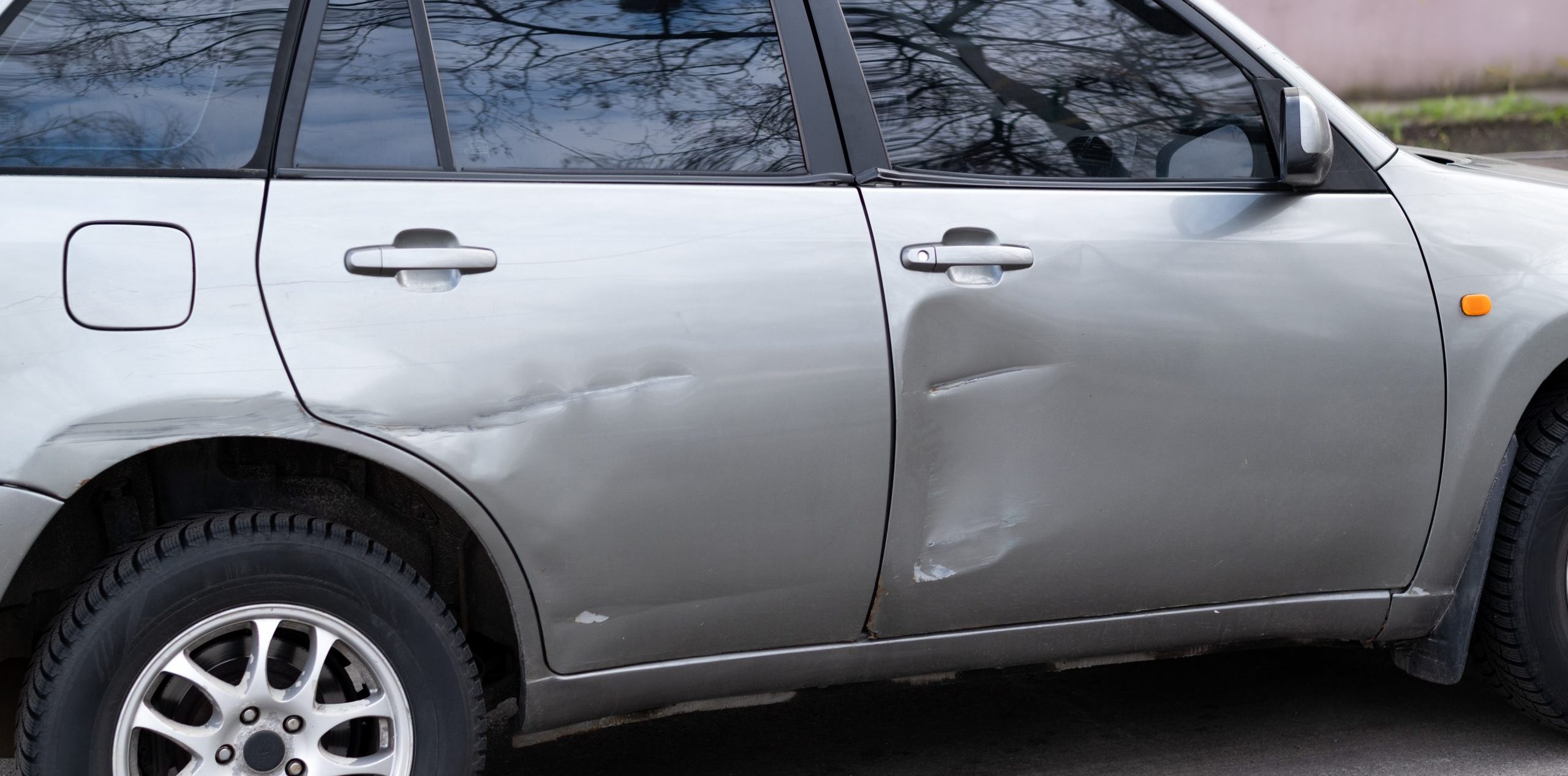
As soon as you can, write down or record everything you remember: any part of the license plate, the make, model, color and body style, damage to the other vehicle, and which way it went. Since 2020, Ohio has not required front license plates, so the rear plate may be the only one you see. Note the exact time and location, too. A voice memo on your phone is often the fastest way to capture details before they fade, and you should hold off on repairing your car until it has been photographed and, if needed, inspected for paint transfer and debris.
Look for Cameras and Witnesses
Look around for businesses, homes, buses and intersections with cameras, and ask people nearby whether they saw anything. Get names and phone numbers. Video is often recorded over within days, and public footage requires a request, so learn how to get traffic cam footage or let us request it for you. Witnesses and video can identify the driver and also help prove an uninsured motorist claim. Rideshare drivers, delivery drivers and buses often have dashcams, so ask anyone who stopped whether their vehicle records.
Call a Lawyer
Talk with a lawyer before giving a recorded statement to any insurer, including your own. We can notify your insurance company, send preservation requests, and keep your claim on track while you recover. For more detail, see what to do after a hit-and-run in Ohio. If your crash happened in central Ohio, our Columbus hit-and-run accident lawyers can meet with you locally.
How Uninsured Motorist Coverage Pays After a Hit-and-Run
When a driver flees and is never identified, Ohio treats that driver as uninsured. If your auto policy includes uninsured motorist coverage, your own insurer pays for your injuries the way the other driver’s liability insurance would have, up to your coverage limits. UM coverage is optional in Ohio, so many drivers do not realize until after a crash whether they have it.
Ohio adds an important requirement for these claims: there must be independent evidence, beyond your own testimony, that an unidentified driver caused your injuries. A witness, video, or physical evidence such as paint transfer or pieces of the other car can meet that standard. That is one reason the steps above matter so much.
The claim process looks much like any other insurance claim, but the company paying is your own. An adjuster will investigate the crash, review your medical treatment and lost wages, and usually ask for a statement. Even though you pay the premiums, the insurer will try to resolve the claim for as little as possible. If you cannot agree, many policies send the dispute to arbitration, and some claims end up in court.
When Your Coverage Is Too Low
Serious injuries can easily exceed a basic UM limit. Other policies may help, such as the UM coverage of a relative you live with, an umbrella policy that includes uninsured motorist protection, or, for passengers, the policy covering the vehicle you were in. Health insurance and medical payments coverage can pay bills while the claim is pending. We review every policy that might apply before a claim is settled.
UM coverage pays for bodily injury. Damage to your car is usually handled through your collision coverage, minus your deductible. Medical payments coverage, if you have it, can help with bills right away regardless of fault.
Hit-and-Run Pedestrian and Bicycle Accidents
People on foot and on bikes are especially vulnerable to hit-and-run drivers, and their injuries are often severe: head and brain injuries, broken legs and hips, spinal injuries and internal bleeding. Many of these crashes happen at night, at crosswalks and on roads without sidewalks or bike lanes.
Being on foot does not leave you without coverage. Depending on the policy, the uninsured motorist coverage on your own auto policy, or on the policy of a relative you live with, may apply even though you were not in a car. Health insurance and medical payments coverage can help with immediate bills. If the driver is later identified, you can also pursue their insurance.
Evidence is especially important in these cases because there is often no damaged second car to examine. Clothing, bike damage, debris at the scene, nearby cameras and witnesses can all help prove what happened. Keep damaged clothing, helmets and bikes in the condition they were in after the crash, because they can show the direction and force of the impact.
Damages You Can Recover After a Hit-and-Run
Whether the money comes from your own policy or from the driver once found, a hit-and-run claim can include:
- Medical expenses: emergency care, surgery, therapy, medication and future treatment.
- Lost wages: income you missed while recovering and earning ability you may have lost.
- Pain and suffering: the physical pain of your injuries and recovery.
- Emotional distress: anxiety, fear of driving and other effects of a traumatic crash.
- Permanent injury: scarring, disability and activities you can no longer do.
The value of a claim depends on the severity of your injuries, the quality of your medical documentation, and the insurance available. An attorney can help you avoid settling before you know the full extent of your injuries.
If the Driver Is Found
If police identify the driver, you can file a claim against the driver’s liability insurance or sue the driver directly. You can pursue the same damages as in any car accident case, and in some cases punitive damages may be available because of the driver’s conduct. If the driver is convicted, the criminal court may also order restitution for some of your losses. If the driver turns out to be uninsured or has only minimum coverage, your own uninsured or underinsured motorist coverage may still pay the difference.
Read our No Win, No Fee Guarantee
Ohio Hit-and-Run Accident FAQs
What if the hit-and-run driver is never found?
You may still recover compensation through the uninsured motorist coverage on your own auto policy, if you carry it. Ohio treats an unidentified driver as uninsured, but the claim needs independent evidence, such as a witness or video, that another driver caused the crash. Medical payments coverage and health insurance can also help with bills.
Does uninsured motorist coverage pay for a hit-and-run in Ohio?
Yes, if your policy includes it. Uninsured motorist coverage pays for injuries caused by a driver who cannot be identified, up to your policy limits. Ohio does not require insurers to include it, so check your declarations page. Damage to your car is usually handled through collision coverage instead.
How long do I have to report a hit-and-run?
Report it to police right away, ideally from the scene. Your insurance policy will also require prompt notice of the crash and any uninsured motorist claim, and delays can give the insurer a reason to question the claim. A lawsuit against the driver generally must be filed within two years, while your policy sets the deadline for a UM claim.
Can I sue the driver if police find them?
Yes. If the driver is identified, you can bring a claim against their insurance or sue them directly for your medical bills, lost wages, pain and suffering and other losses. Fleeing the scene can also support a claim for punitive damages in some cases, and a criminal court may order the driver to pay restitution.
What if I was a pedestrian or cyclist hit by a driver who fled?
You have the same options as a driver. Depending on the policy, the uninsured motorist coverage on your own auto policy, or on a policy of a relative you live with, may apply even though you were walking or riding a bike. Health insurance and medical payments coverage can help with immediate bills.
Contact our Ohio Car Accident Attorneys
If you or a loved one was the victim of a hit-and-run accident, you deserve justice. The lawyers at Kisling, Nestico & Redick can help you decide whether a claim or lawsuit is your best course of action and fight to obtain the maximum compensation for your losses.
As one of the largest personal injury law firms in Ohio, we have what it takes to build a strong case on your behalf. Kisling, Nestico & Redick has 12 Ohio locations to serve you. Contact us at the location nearest you or call 1-800-HURT-NOW.