Common Rear-End Collision Injuries
A rear impact pushes your body forward against the seat belt and then snaps your head and neck back, often before you know the crash is happening. Even a collision at 10 mph can cause injuries that take weeks or months to heal. These are the injuries we see most often in rear-end cases.
Whiplash
Whiplash is the most common rear-end collision injury. It happens when the head is thrown back and forth faster than the muscles and ligaments of the neck can handle, straining or tearing the soft tissue. Symptoms can take a day or two to show up and include:
- Neck pain and stiffness
- Headaches that start at the base of the skull
- Dizziness or blurred vision
- Pain in the upper back and shoulders
- Trouble turning your head
- Numbness or tingling in the arms or hands
Insurers like to call whiplash a minor injury, but some people deal with neck pain and headaches for months. Many patients ask, should I see a chiropractor after a car accident? Chiropractic care helps some people with soft tissue injuries, but see a doctor first so fractures, disc damage and concussions can be ruled out, and keep records of every visit.
Herniated Discs
The discs between the bones of your spine work like cushions. The force of a rear impact can push a disc’s soft center through its tougher outer layer, where it can press on nearby nerves. A herniated or bulging disc in the neck can send pain into the shoulders and arms, while one in the lower back can cause sciatica down the leg. Treatment ranges from physical therapy and injections to surgery, and an MRI is usually needed to confirm the injury.
Insurance companies often blame disc problems on age and normal wear. Medical records that compare your condition before and after the crash, along with your doctor’s opinion, help show the collision caused the herniation. You can still recover when a crash makes a condition you already had worse.
Concussions
Your head does not have to hit anything for you to suffer a concussion. The sudden back-and-forth motion of a rear-end crash can move the brain inside the skull. Watch for headaches, confusion, memory problems, trouble concentrating, sensitivity to light or noise, and changes in sleep or mood in the days after the crash. These symptoms are easy to miss, and some people do not connect them to the crash until weeks later. If symptoms linger, our brain injury lawyers can help you document the long-term effects.
Wrist and Shoulder Injuries
Drivers often brace for impact by locking their arms against the steering wheel. That force travels into the wrists, elbows and shoulders and can cause sprains, torn ligaments and broken bones such as wrist fractures. The shoulder belt that keeps you in your seat can also bruise or injure the shoulder and collarbone. Rotator cuff tears are common, and some need surgery and months of physical therapy before you can lift, reach or work normally again.
Get checked by a doctor the same day, even if you feel fine. Pain from soft tissue and disc injuries often builds over the next few days, and a record made right after the crash makes it much harder for an insurer to argue your injuries came from something else.
Rear-End Crashes With Trucks
When a semi truck hits a car from behind, the damage is far worse than in a crash between two cars. A loaded tractor-trailer can weigh up to 80,000 pounds, roughly 20 times as much as a typical passenger car, and it needs much more room to stop. The Federal Motor Carrier Safety Administration puts the average stopping distance for a loaded tractor-trailer at 55 mph at 196 feet in ideal conditions, compared with 133 feet for a passenger vehicle. The agency also notes that when large trucks crash, they most often hit the vehicle in front of them.
Truck drivers who follow too closely, drive while fatigued or glance at a phone or dispatch screen can turn a slowdown on I-70, I-71 or I-75 into a multi-vehicle crash. If you were rear-ended by a semi truck, your claim may involve more than one party:
- The truck driver who failed to keep a safe distance or stop in time.
- The trucking company, which is usually responsible for its drivers and may share fault for poor hiring, training or scheduling.
- A maintenance company if bad brakes or other repairs played a part.
- A cargo loader if an overloaded or poorly loaded trailer made the truck harder to stop.
Trucking companies carry larger insurance policies than most drivers and often send their own investigators to the scene quickly. Electronic logging device records, engine data, dash camera footage and maintenance files can be lost if no one acts to preserve them. Our truck accident lawyers move quickly to send preservation letters and secure that evidence.
What to Do After a Rear-End Accident
The steps you take in the first few days can make a real difference in your claim. If you are able to:
- Call 911. Report the crash and ask for police to come to the scene. The report records where each car was and often notes which driver failed to stop in time. You can get a copy of your Ohio crash report a few days later.
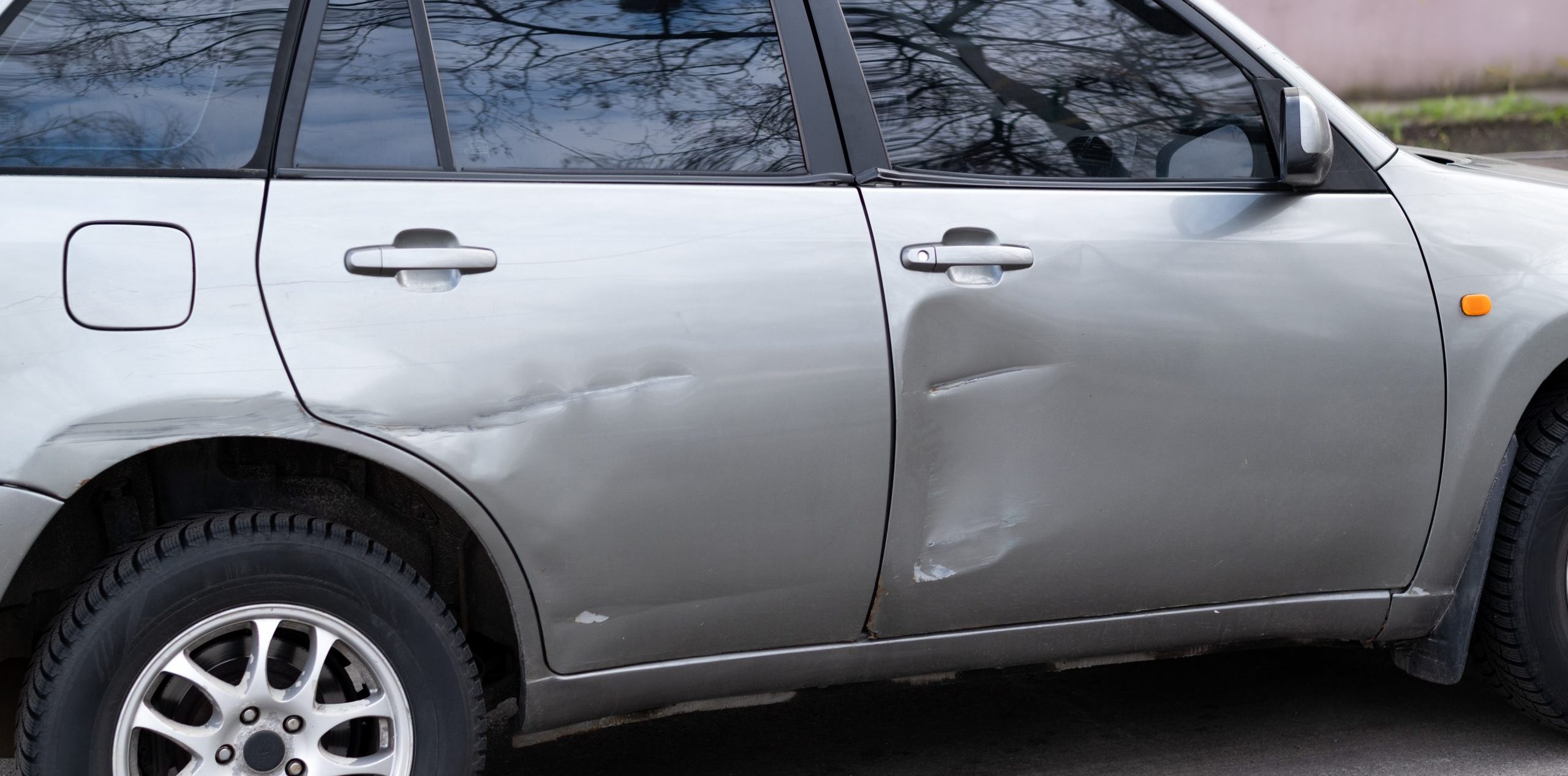
- Take photos. Photograph the damage to both vehicles, where the cars ended up, skid marks, traffic signals, and the other car’s brake lights if they were out.
- Get names and numbers. Exchange insurance information with the other driver and ask witnesses for their contact details.
- See a doctor. Get examined the same day or as soon as you can, and follow through with the treatment your doctor recommends.
- Be careful with insurers. Report the crash to your own insurance company, but do not give a recorded statement to the other driver’s insurer or accept a quick settlement before you know the full extent of your injuries.
- Talk to a lawyer. An attorney can deal with the insurance companies while you focus on getting better.
For a checklist that covers any type of crash, see our guide on what to do after a car accident. If you were hurt in Franklin County, our Columbus rear-end accident lawyers handle these claims from our Columbus office.
Compensation for Ohio Rear-End Accident Injuries
When another driver’s negligence or recklessness causes a rear-end crash, you can pursue payment for the financial and personal losses it caused. Through an insurance claim or personal injury lawsuit, KNR will fight hard for you to recover your:
- Medical expenses: emergency care, imaging, surgery, physical therapy and the treatment you will need in the future.
- Lost income: wages you missed while recovering and lost earning ability if you cannot return to the same work.
- Pain and suffering: the physical pain of your injuries and the treatment that follows.
- Disability: lasting limits on what you can do at work or at home.
- Disfigurement: scarring from injuries or surgery.
- Mental anguish: anxiety, trouble sleeping and fear of driving after the crash.
- Loss of consortium: the harm the injuries cause to your relationship with your spouse.
If the driver who hit you has no insurance or too little, your own uninsured and underinsured motorist coverage may make up the difference.
Rear-End Accident Settlements
Most car accident cases are settled. However, do not expect a quick and easy process. Insurance companies work hard to reduce what they owe by denying their policyholder was in the wrong or suggesting you share responsibility for a rear-end collision. In low-speed crashes, they often point to light damage on the bumper and argue no one could have been hurt. Your medical records, imaging and your doctor’s opinion answer that argument.
While an insurance settlement might be ideal, you may also need to file a lawsuit and present evidence the other driver’s carelessness caused the accident and your injuries. Ohio generally gives you two years from the date of the crash to file an injury lawsuit, so do not let settlement talks run past the time limits on Ohio car accident claims.
How KNR Advocates for You After a Rear-End Crash
An experienced KNR rear-end collision lawyer can strengthen your claim by:
- Gathering strong evidence such as crash reports, photos, witness statements and vehicle data to establish fault.
- Negotiating aggressively with insurers for full compensation.
- Handling all paperwork and communication so you can focus on your recovery.
- Taking your claim to court if settlement negotiations fail.
Our firm has resolved many rear-end collision cases for clients across Ohio. Past results include:
More Successful Cases
Every case is different, and past results do not guarantee a similar outcome. To find out what your claim may be worth, call 1-800-HURT-NOW for a free case evaluation.
FAQs: Ohio Rear-End Auto Accidents
Who Pays if I’m Injured in a Rear-End Collision?
Generally, the at-fault driver’s insurance pays for your injuries. However, if they’re uninsured or underinsured, you might rely on your policy’s coverage. KNR attorneys guide you through this process.
Should I Accept the Insurance Company’s First Offer After a Rear-End Crash?
Early (lowball) settlement offers are often far less than what you deserve. It’s essential to have an attorney review any offer to ensure it covers all your current and future damages.
Do I Need a Lawyer After Being Rear-Ended?
While not mandatory, having legal representation greatly improves your chances of a successful and fair settlement. An attorney ensures your rights are protected and helps avoid common mistakes that insurers exploit.
Is the Car Who Rear-Ends You Always at Fault?
Not necessarily. While the rear driver is often presumed at fault, certain situations, such as sudden braking without reason, reversing unexpectedly, or malfunctioning brake lights, may shift liability. KNR can thoroughly evaluate the circumstances to clarify responsibility.
Who’s At Fault in a Multi-Car Rear-End Collision?
In multi-car rear-end collisions, fault typically falls on the driver who initiated the first collision. However, liability can vary based on each driver’s actions. KNR attorneys will investigate your multi-car collision thoroughly to determine fault.
Hurt in a Rear-End Crash? Contact KNR for a Free Consult
If you’ve been in a rear-end collision, the Ohio car accident lawyers at Kisling, Nestico & Redick can help. Our personal injury attorneys know how the insurance claims process works and how to maximize your settlement amount.
Our lawyers have obtained countless favorable verdicts and settlements on behalf of thousands of our satisfied clients. Contact us today at 1-800-HURT-NOW for your free consultation.